
A reminder of home
Two years into the Rohingya crisis,
your support is changing lives
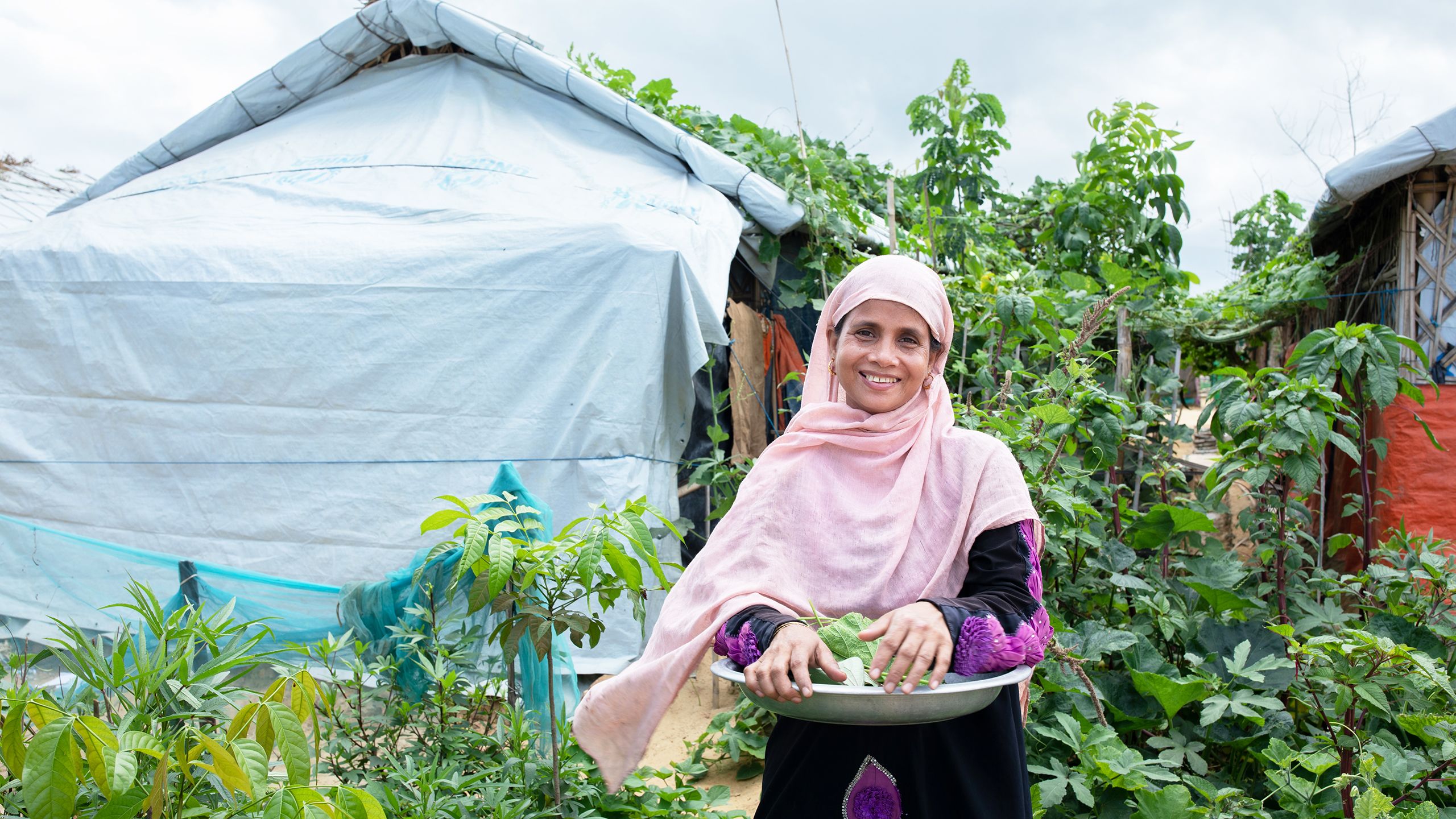

Sahera smiles as she sees green sprouts emerging from the soil. For her, it’s more than just the promise of fresh vegetables for her three children. It’s a reminder of home.
“We had a lot of land back in Myanmar,” she says. “Here we only have a small plot.” But that small plot is making a big difference for her family.
The Rohingya have been fleeing persecution in Myanmar in successive waves since the early 1990s.
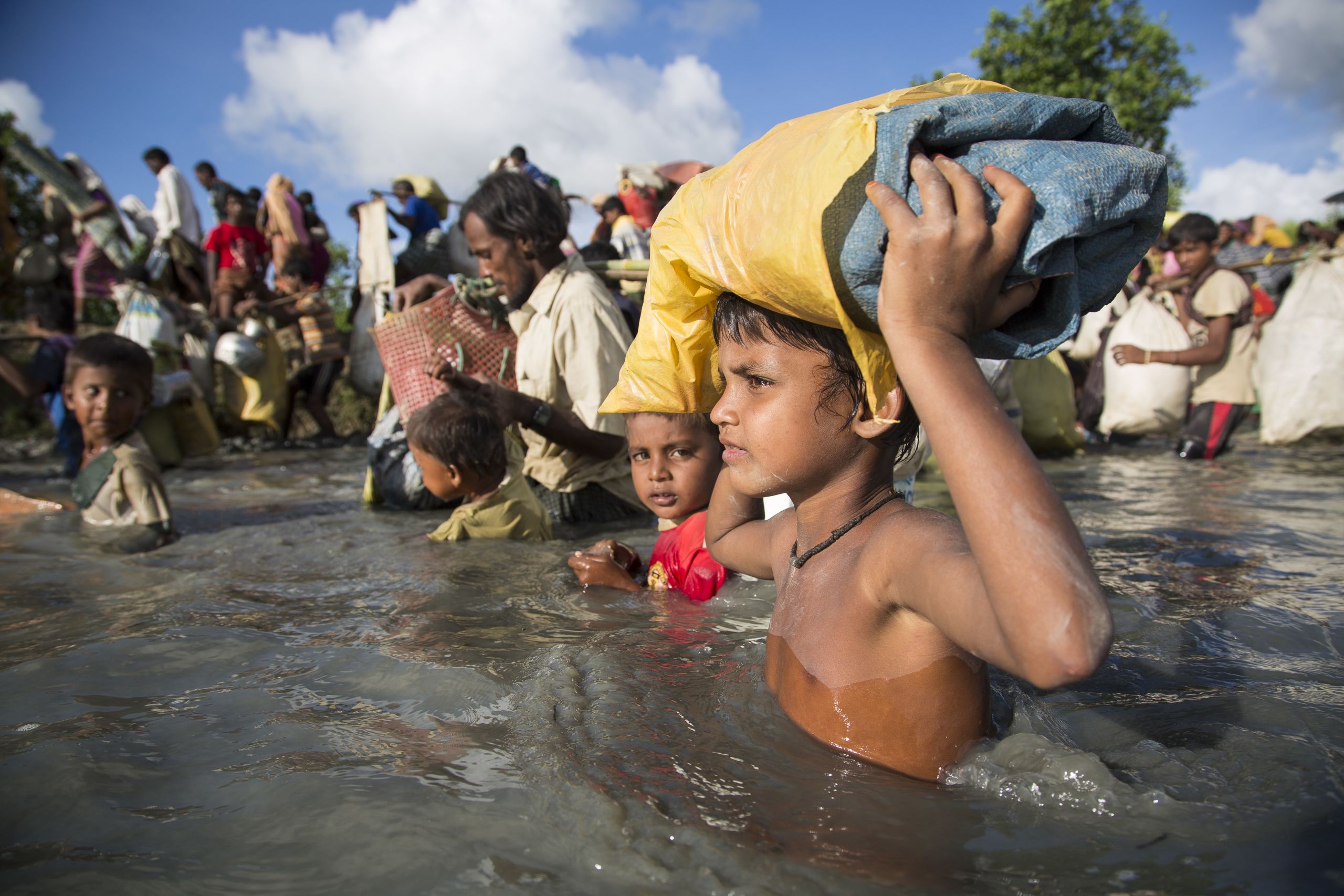
The latest exodus began on 25 August 2017, when unspeakable violence in Rakhine State sparked the fastest growing refugee crisis the world had seen in decades.
Over 742,000 Rohingya were forced flee their homes and seek safety in Bangladesh. Most arrived within the first three months of the crisis.
With the generous support of Australians, UNHCR was there from the beginning to provide food, water, shelter and medical care on arrival. This life-saving work continues today, helping families to survive monsoon season and recover from the perils of their journey.




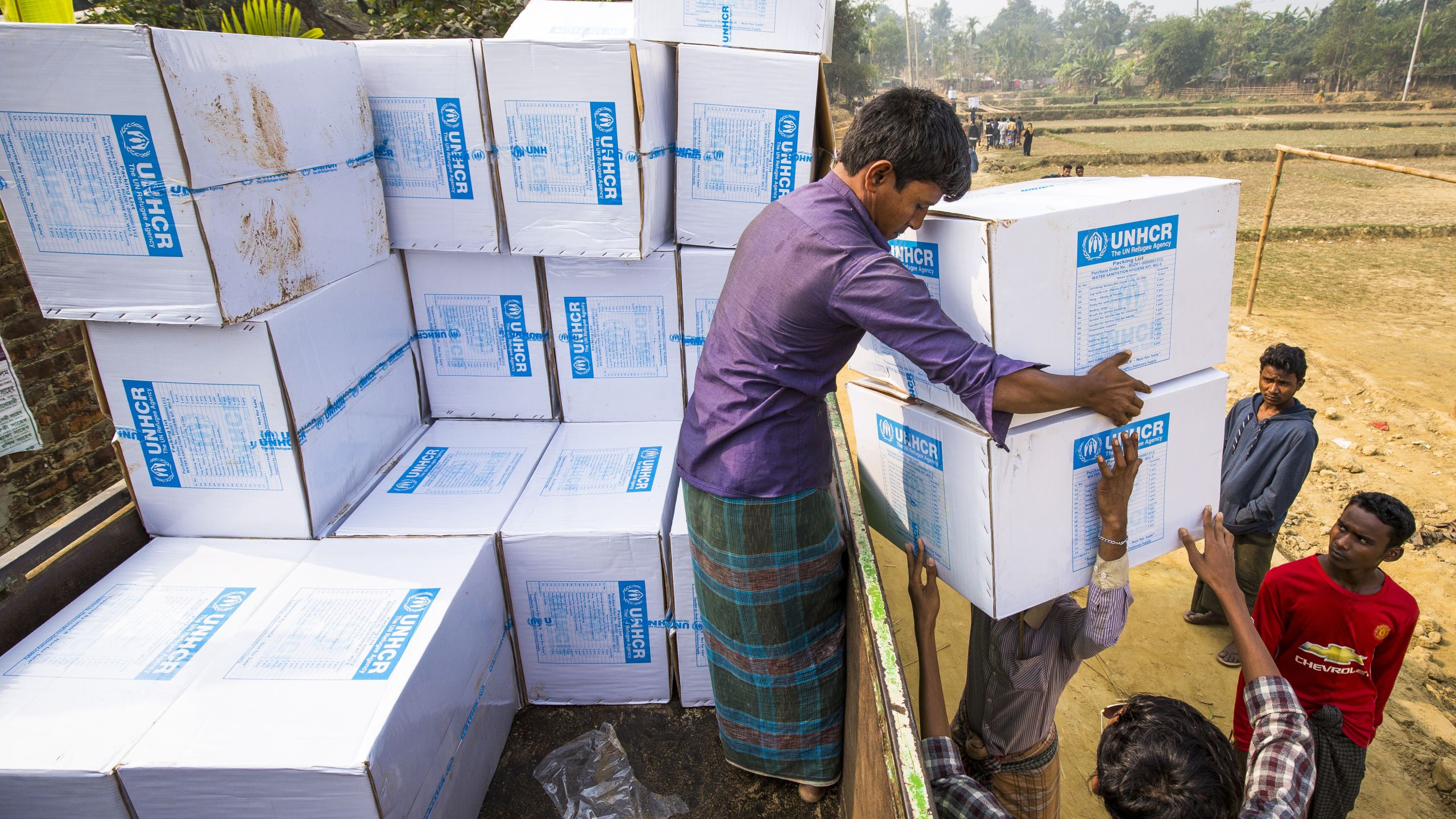
Now, two years on, UNHCR is focused on ensuring families can meet their daily needs and lead a dignified and meaningful life. When Sahera and her children took shelter in Kutupalong settlement there was little space to cultivate crops, and like most Rohingya refugees, Sahera is a farmer.
Through a unique project created by UNHCR and its partner BRAC, women like Sahera can now plant, harvest and enjoy their own garden-grown produce again.
“UNHCR gave us these plants to take care of, as well as seeds, and bamboo that we used to create shade,” she says. “We take care of the plants every day, and my children help water them."
“My children get excited to see the vegetables. It reminds us of our farm back home. These vegetables taste really good, so I don’t have to buy any from the market.”

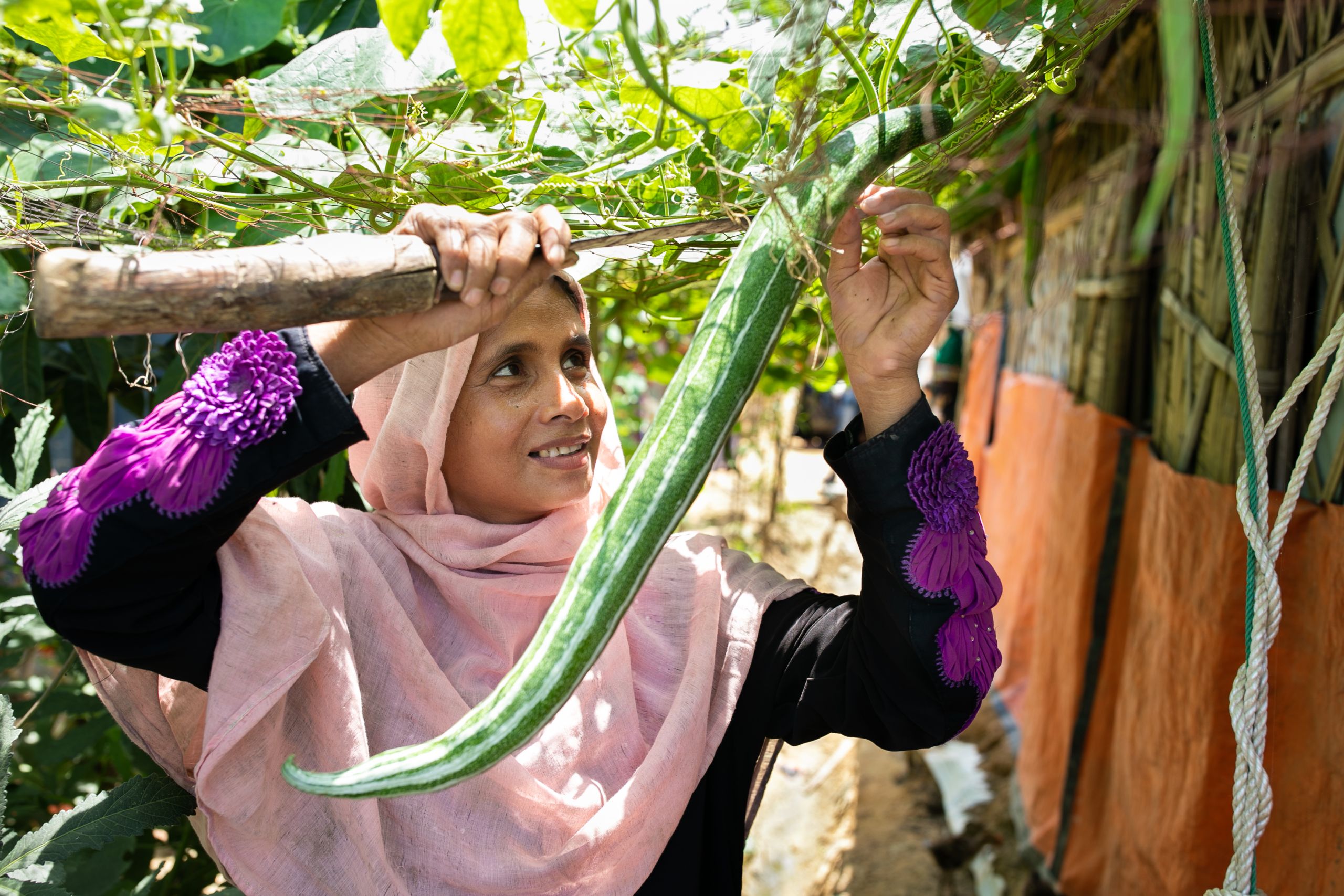
Last year, UNHCR helped hundreds of farmers cover over 43.5 hectares with trees, shrubs, herbs and other crops, reducing the effects of deforestation.
Sahera’s garden includes spinach, gourd and pumpkin – a particular favourite of her youngest daughter, Fatema. The family’s harvest has been so plentiful that they can’t use it all within their small household.
“Not only do we have vegetables for ourselves, we often share them with our neighbours,” she says. “If we have leftover produce, we sell it to nearby shops.
“Before we got the seeds, there was nothing to do. So this is a really great opportunity for us.”
After eight months of planting, the greenery around the settlement is bright and vibrant, soil erosion has been reduced and Rohingya families are enjoying the bounty.

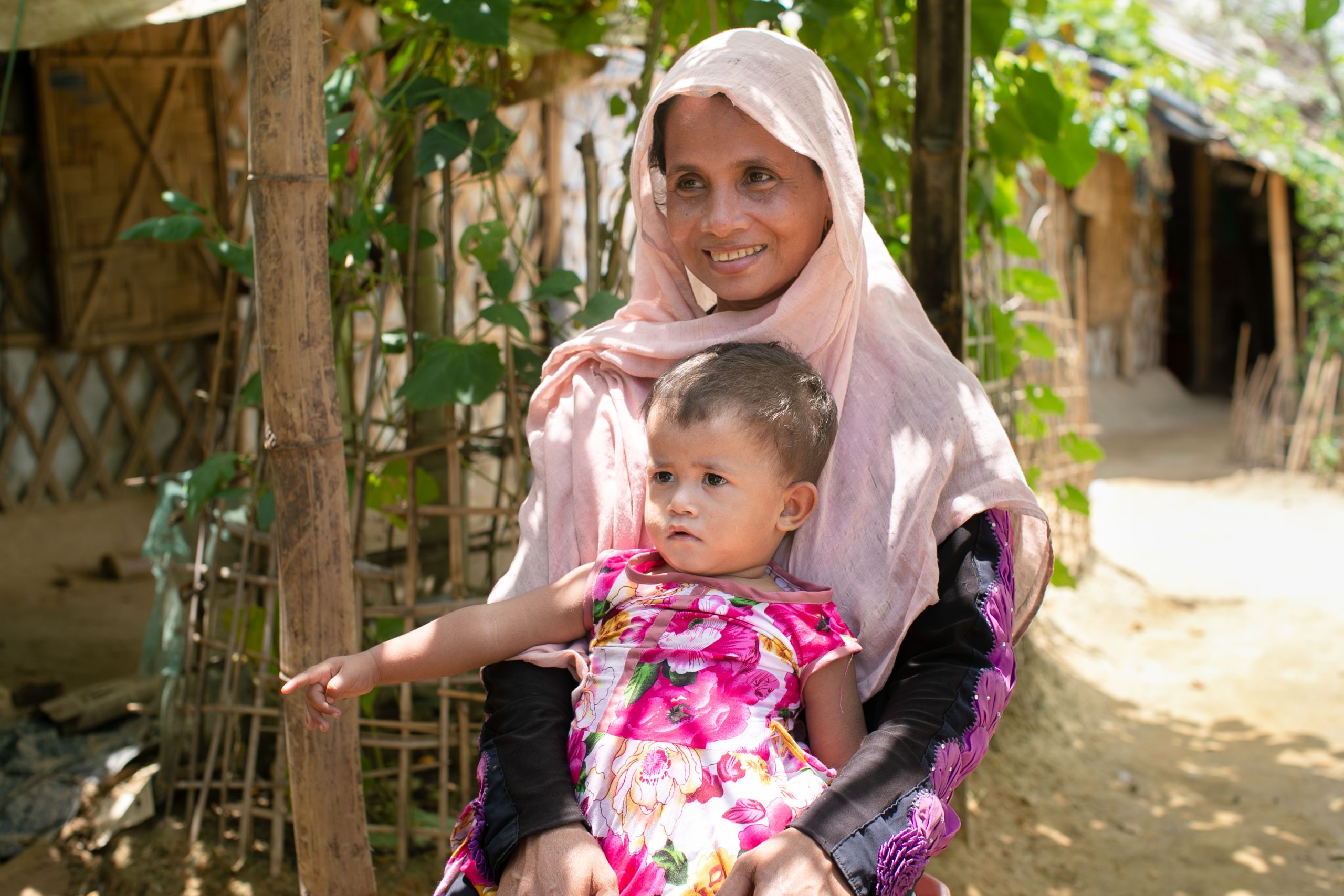
Sahera’s garden provides fresh and nutritious food for her children. © UNHCR/K. Hasan
Sahera’s garden provides fresh and nutritious food for her children. © UNHCR/K. Hasan
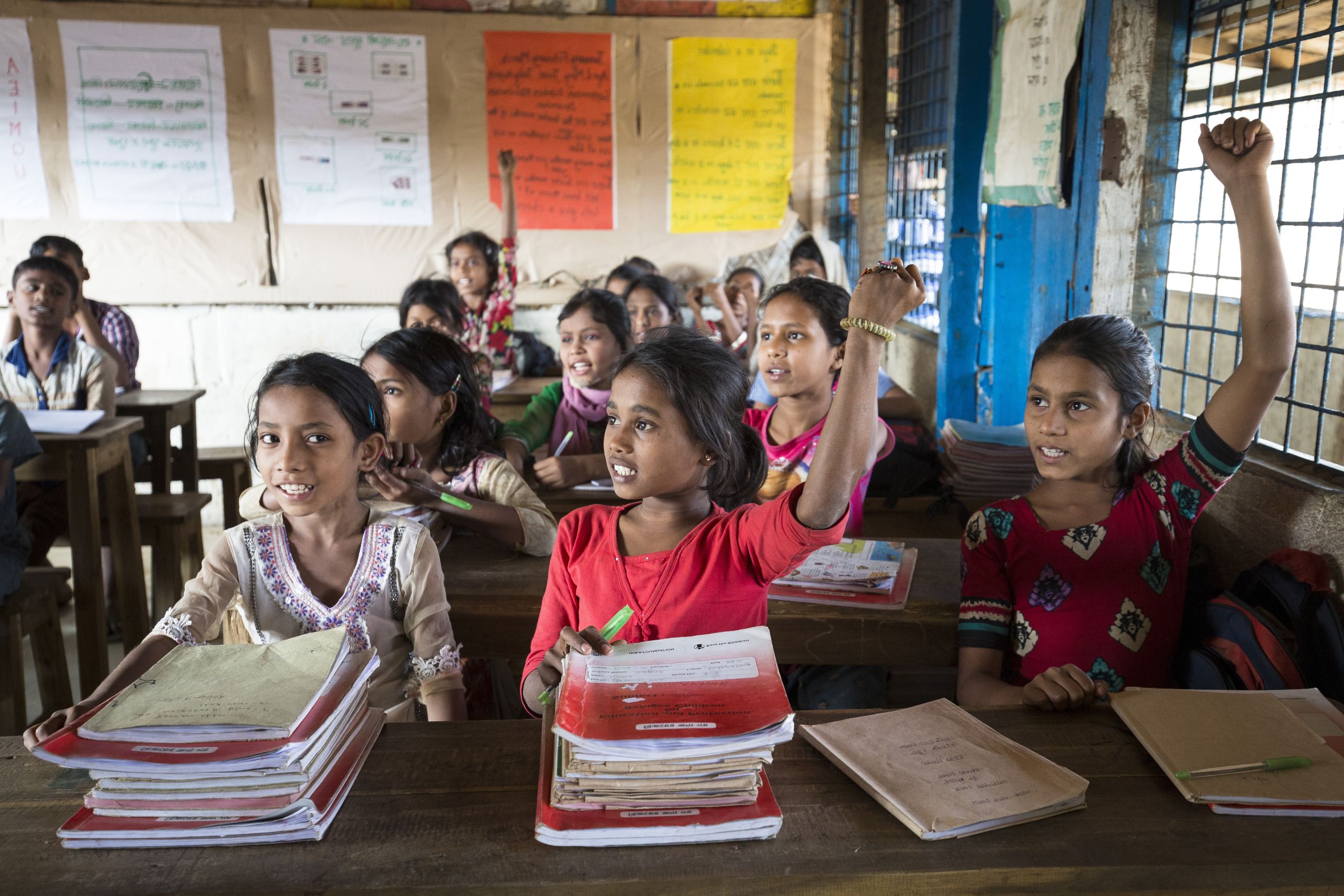
However, close to a million Rohingya refugees continue to live in the crowded settlements of Cox’s Bazar and more than half are children like Fatema. Without access to education, they risk becoming a lost generation.
Over the past two years, UNHCR has constructed classrooms, trained teachers and enrolled more than 62,000 children in school.
But resources are limited and the dangers of monsoon season has put education out of reach for many. Thousands of children are still unable to attend school and face an uncertain future.
UNHCR is working hard to ensure these children can access education, providing hope and a lifetime of opportunity.
You can invest in the future
of Rohingya children today


 Built with Shorthand